
February 12, 2026
How Do Home Solar Panels Influence Appliance Selection?
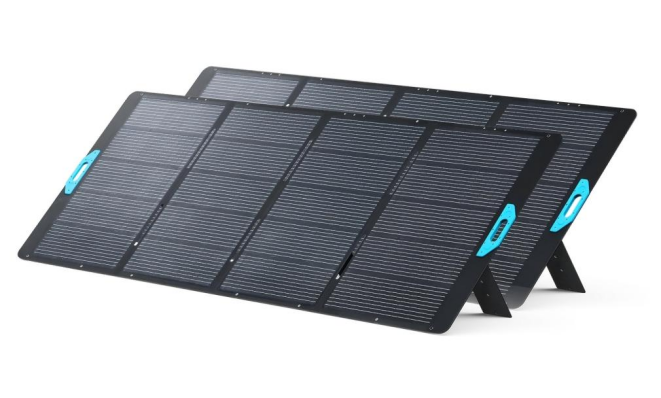
Home solar panels directly shape how households choose, use, and prioritize appliances. Once families begin generating their own electricity, they quickly see how appliance efficiency, operating patterns, and peak-power requirements affect overall solar performance. Even when systems provide strong output, certain appliances place higher demands on solar energy than others. This shift encourages homeowners to evaluate wattage, duty cycles, and energy profiles more carefully. Portable options like the Anker SOLIX PS400 Portable Solar Panel show how flexible solar generation blends with daily routines, helping users understand how sunlight availability and power consumption interact. Solar-equipped homes naturally move toward smarter appliance decisions that maximize comfort, savings, and system longevity.
How Solar Production Shapes Appliance Choices?
Energy Profiles Determine Which Appliances Work Best on Solar
Once panels solar home supply part or all of a home’s daily energy, the way appliances consume power becomes more important. High-efficiency models help maintain a stable balance between solar generation and usage. Homeowners often compare wattage, daily run time, and energy spikes before purchasing new devices. Appliances with variable-speed motors—like modern refrigerators or heat pumps—tend to align better with solar production because they draw small amounts of power consistently rather than creating abrupt surges. When supplemental tools like the Anker SOLIX PS400 provide additional solar input, users see how even minor boosts improve performance for steady-load appliances. These experiences encourage households to select devices that run efficiently throughout the day, using clean energy more effectively.
Peak Power Requirements Guide: What to Buy and What to Avoid
Solar systems have limits on how much power they can deliver at one moment. This makes peak wattage a key factor when evaluating appliances. For instance, some older air conditioners, microwaves, and vacuum cleaners demand large bursts of energy when starting. While solar setups can handle these loads, homeowners increasingly prefer newer appliances with soft-start technology or lower surge requirements. These models reduce strain on the system and improve overall stability. Portable solar solutions like the PS400 highlight how smaller or modular panels respond best to steady, moderate loads. This observation helps homeowners think more critically about scaling, pairing, and optimizing appliances to work smoothly with solar rather than forcing the system to meet outdated demands.
Daylight Availability Encourages Choosing Time-Flexible Appliances
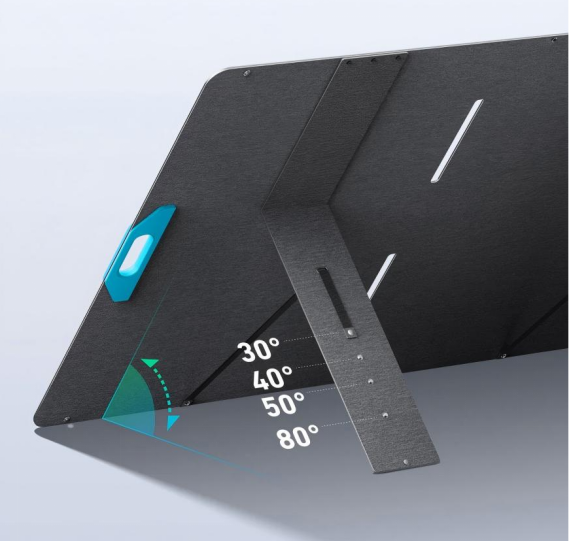
Solar production rises and falls with daily sunlight. This rhythm makes certain appliances more compatible with solar-powered living simply because their operation can shift to match peak generation hours. Dishwashers, washing machines, and electric vehicle chargers can all run when sunlight is strongest. Homeowners therefore favor appliances with delayed-start modes, scheduling features, or adjustable cycles. When users handle a portable 400W panel like the Anker SOLIX PS400 and adjust its angle to maximize output, they learn firsthand how closely timing affects energy capture. This reinforces the value of appliances that offer flexible scheduling. The relationship between sunlight and appliance timing becomes central to long-term energy planning in solar-equipped homes.
How Solar Habits Influence Long-Term Appliance Planning?
Households Prefer Appliances With Efficient Standby and Idle Modes
Many appliances consume energy even when not actively running. For homes relying on solar power, these phantom loads matter more because every watt counts toward the overall balance. Homeowners naturally shift toward devices with low standby usage or automatic sleep modes. Smart TVs, routers, and gaming systems become part of the evaluation process. When people experiment with portable panels like the PS400, they see how brief shading or angle changes affect output, reinforcing the importance of eliminating constant background consumption. This awareness leads to purchasing decisions that prioritize appliances designed to minimize idle energy draw, gradually reducing unnecessary loads across the home.
Runtime Needs Influence How Many Appliances Stay Grid-Connected
Solar panels provide a certain amount of power at any moment, and households often decide which appliances should run primarily on solar and which remain grid-supported. High-consumption devices such as electric dryers or older water heaters may stay on grid circuits unless the solar system is large enough to support them. Meanwhile, efficient refrigerators, LED lighting, or induction cooktops integrate more easily. A portable setup like the Anker SOLIX PS400 also helps homeowners experiment with powering smaller devices independently, learning which loads pair well with solar production curves. These insights guide long-term appliance choices, ensuring that new purchases align with the home’s evolving solar strategy rather than forcing the system to compensate for mismatches.
Solar Variability Encourages Appliance Decisions Based on Flexibility
Weather changes, seasonal sunlight shifts, and shading patterns all influence solar performance. As households grow familiar with this variability, they begin selecting appliances capable of adapting to changing conditions. Devices with energy-saving modes, heat-pump versions of traditional systems, or dual-fuel options become more attractive. Homeowners also favor appliances with clear energy labeling so they can predict compatibility with their solar output. Portable solar tools reinforce this understanding because the PS400’s angle adjustments and mobile placement make sunlight variability more visible and tangible. This direct connection between environment and output encourages choosing appliances that maintain comfort even when sunlight fluctuates. Decisions gradually shift from “what works today” to “what works all year.”
Conclusion
Home solar panels influence appliance selection by changing how families view energy, efficiency, and everyday consumption. Solar production encourages choosing devices with steady power profiles, manageable peak wattage demands, and flexible scheduling options. Understanding sunlight patterns and system limitations guides homeowners toward appliances that work in harmony with available energy rather than overwhelming it. Portable solutions like the Anker SOLIX PS400 Portable Solar Panel illustrate how positioning, angle control, and output variability shape real-world solar performance, helping households make informed choices. As homeowners integrate these insights into long-term planning, their appliances, usage habits, and energy expectations align more naturally with clean, self-generated power. Solar living becomes not just a technology upgrade but a lifestyle shift that prioritizes smart, adaptable, and efficient appliance decisions.