
February 27, 2026
Can a Solar-Powered Generator Charge Your EV or RV?
Exploring sustainable solutions to power our vehicles has become not just a trend but a necessity. Solar-powered generators offer an eco-friendly option to charge your electric vehicle (EV) or recreational vehicle (RV). They convert sunlight into electricity, which can then be used to power up various devices, including your EV or RV. However, there are factors to consider. Before investing in a solar generator, it’s essential to understand its capabilities. Models like the Anker SOLIX F3800 Plus allow for direct vehicle charging using ports such as the NEMA TT-30P or L14-30. Understanding the power needs of your specific vehicle and matching that with the solar generator’s output is crucial to utilizing this technology effectively.
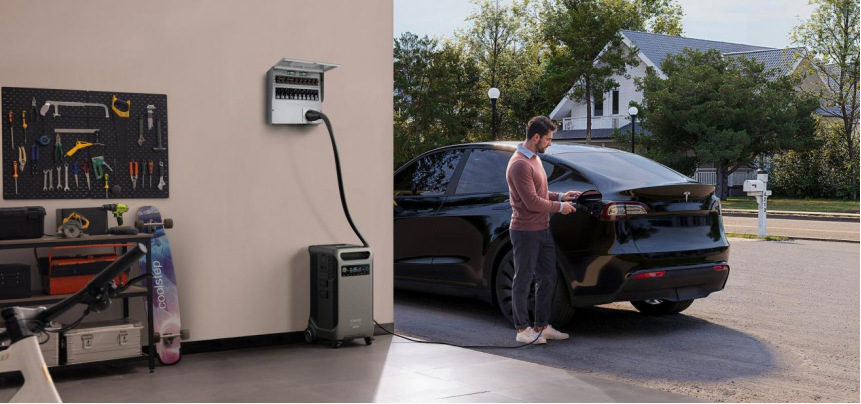
Can a Solar-Powered Generator Charge an EV or RV?
Yes — But With Limits
Solar-powered generators can charge EVs and RVs, but it’s important to understand their limitations before relying on them for regular use. While convenient for off-grid trips and emergencies, most solar generators don’t deliver the same high, consistent power output as dedicated EV charging stations. That means charging may be slower, and some vehicles may not accept power if the generator can’t meet minimum requirements. The key is matching the generator’s output, voltage, and connector setup to your vehicle’s needs. The Anker SOLIX F3800 Plus is a strong option, but careful planning is still essential.
Power Output and Charging Speed Explained
When charging an EV or RV, the generator’s power output determines how fast the charging process will be. Solar generators with output options such as 120V or 240V, like the Anker SOLIX F3800 Plus, can efficiently deliver power if the sun’s intensity is optimal. However, a 6,000-watt output might be needed to make a significant difference in a reasonable time. Users must compare their vehicle’s battery requirements with the generator’s capabilities to achieve efficient charging, keeping in mind that solar generators might not fully charge an EV but can still provide significant power when needed.
Best Use Cases for Solar EV and RV Charging
Off-Grid and Remote Charging
One of the best applications for the solar powered generator is charging in off-grid or remote locations. Adventure enthusiasts often venture into areas lacking conventional charging infrastructure. In these scenarios, solar generators become invaluable. The Anker SOLIX F3800 Plus is particularly effective, with its ability to directly charge vehicles via specific ports. During the day, when sunlight is abundant, travelers can capture and store energy, allowing them to power their vehicles as needed. This independence provides a reliable backup when you’re miles away from traditional power sources.
Emergency and Backup Charging
Solar-powered generators are excellent during emergencies and offer an alternative backup. Whether natural disasters disrupt the grid or you’re stuck with a low battery in an unfamiliar area, these devices can supply the necessary charge to get you moving again. The versatility of the Anker SOLIX F3800 Plus, with its adaptable ports and substantial power output, is especially useful in emergencies where every bit of energy counts. Charging in these situations might be slower, but still very effective in getting your vehicle on the move again.

Tips to Optimize Charging Performance
Choose the Right Generator Size and Panels
To maximize efficiency, selecting the right generator and solar panel size is essential. Start by calculating your vehicle’s total energy needs, including appliances, charging devices, and daily runtime. Then compare those requirements with what your generator can consistently deliver. For instance, the Anker SOLIX F3800 Plus offers a strong 6,000-watt output, making it a standout option for higher-demand setups. However, it’s equally important to ensure your solar panels can provide enough input to recharge it efficiently. High-quality panels improve charging speed, boost conversion efficiency, and help store energy more reliably for better overall performance.
Use Smart Cables, Inverters, and RV/EV Adaptors
Equipping your setup with the right cables, inverters, and adaptors strengthens the connection between your solar generator and vehicle, making charging safer and more efficient. Choose high-quality, smart cables designed to handle higher loads with minimal energy loss. Pair them with compatible inverters that regulate voltage properly and support stable power delivery. For the Anker SOLIX F3800 Plus, using the correct RV/EV adaptors helps ensure smooth, optimized energy transfer without interruptions. These accessories also help reduce power surges, improve charging consistency, and maximize overall performance during every charging session.
Conclusion
Charging an EV or RV using a solar-powered generator is a sustainable and practical solution for both adventurers and those seeking energy independence. While limitations like power output and charging duration exist, advances in technology, exemplified by the Anker SOLIX F3800 Plus, offer promising potential. By understanding the interplay between your vehicle’s energy needs and the generator’s capacity, along with strategic planning and appropriate accessory use, you can efficiently integrate solar charging into your routine. These systems may not replace traditional charging stations entirely, but they certainly supplement them, offering reliable, eco-friendly energy, especially useful in remote locations or emergencies. Solar power is not just a vision for the future; with the right equipment, it can effectively meet the demands of today’s mobile lifestyle.