
February 12, 2026
Can a Battery Backup Fully Power Your House? Explained
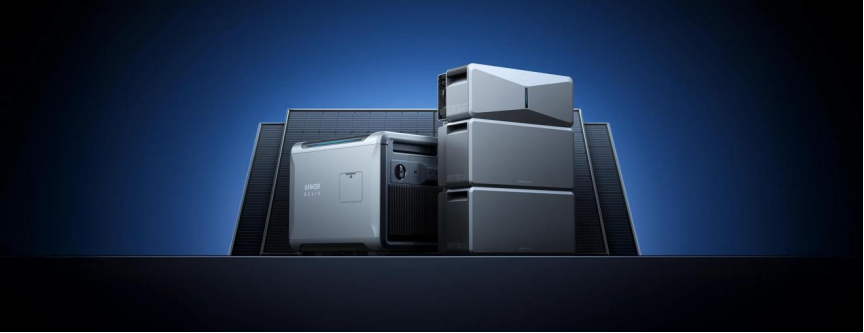
The idea of having a reliable battery backup system that can fully power your home is both exciting and daunting. With advancements in technology, more homeowners are exploring these systems as alternative power solutions. Yet, the question remains whether a home power battery backup is truly capable of meeting the entire household’s energy needs. It’s about aligning power capability with what your household uses daily, determining the practicality of current battery systems, and recognizing factors affecting their performance. Let’s delve into the concept of powering an entire house, analyzing battery backup capabilities, and exploring smart solutions like the Anker SOLIX E10 for seamless power supply.
What It Really Means to Power an Entire House
Understanding Whole-Home Electricity Needs
Every home has its unique electricity profile, determined by the sum of all loads in operation. The average U.S. household uses nearly 30 kWh per day for activities like cooking, cooling, heating, and entertainment. Identifying your home’s energy usage pattern is crucial because it influences the kind of battery system you’ll need. The combination of high-demand appliances like HVAC systems, refrigerators, and water heaters contributes significantly to consumption. Each appliance and device adds to the total energy load your backup system needs to support.
Essential Loads vs. Whole-Home Loads
Distinguishing between essential and whole-home loads helps decide what a battery backup needs to support. Essential loads usually include key circuits and devices like lights, refrigerators, and some outlets. Whole-home loads, however, encompass everything, extending beyond primary needs. To power the entire house, a battery system must handle total consumption, which, in emergencies, can become impractical without substantial capacity. Choosing between backing up essentials or the whole house depends on budget, energy needs, and backup strategy.
Can a Battery Backup Fully Power Your House in Real Life?
How Home Battery Backup Systems Work
Battery backup systems store excess power generated often via solar systems, which can be tapped during outages. Depending on capacity and design, they deliver power directly into the home’s electrical system. Free-standing systems or those integrated with solar setups can maintain power for varying hours depending on energy draw and storage size. They operate by converting stored DC power to AC, ensuring compatible power for household appliances.
Factors That Decide If a Battery Can Run Everything
Several factors determine a battery’s ability to power an entire house. The battery’s storage capacity directly correlates with how long it can support home operations. Anker SOLIX, for instance, provides up to 10,000W under certain conditions, sufficient for many home activities. Battery technology, efficiency, climate influence, and integration with renewable sources like solar panels significantly affect output. Achieving whole-home backup may require a robust system capable of managing high loads and optimizing for energy efficiency.
Whole-Home Battery Backup Solutions and Practical Options
Standalone Battery Systems vs. Solar + Battery Systems
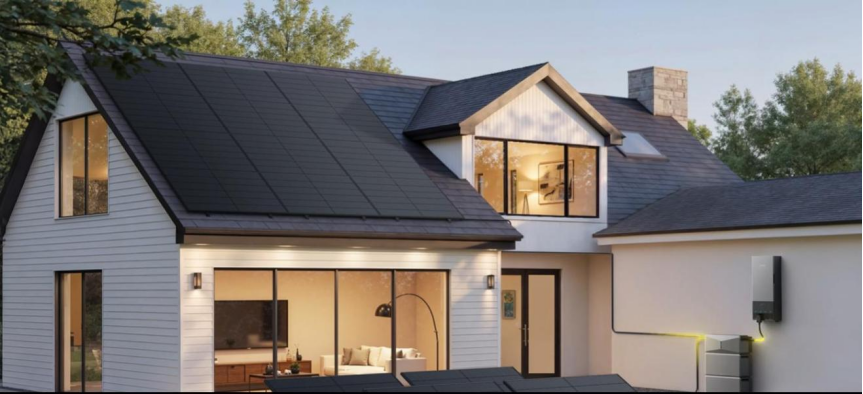
Standalone systems provide a straightforward solution, but they might not be practical for complete household energy independence. Integrated solar and battery systems optimize solar energy storage and use, offering a sustainable and often more powerful alternative. Dual systems can efficiently store surplus solar energy, offering a more comprehensive solution for homes aiming to reduce grid dependency while accommodating sizable energy demands.
Using Smart Whole-Home Systems Like Anker SOLIX
Smart systems like the Anker SOLIX E10 push boundaries with advanced features for managing household energy effortlessly. Delivering up to 7,680W continuously, its split-phase capability accommodates diverse electrical systems. The SOLIX’s adaptability increases with battery additions, ensuring extended runtime. Connectivity features like Wi-Fi and Bluetooth paired with manageable dimensions make it an appealing choice for smart homes striving for efficiency and resilience against power outages. The Turbo Backup ability propels its potential with brief high-power boosts for substantial energy needs.
Conclusion
While a battery backup system can theoretically power an entire house, achieving this in practice involves careful planning and resource assessment. Knowledge of distinct household energy patterns and the relationship between battery capacity and demand is essential. Solutions like the Anker SOLIX E10 exemplify possibilities with adjustable inputs and advanced management features for modern needs. When considering practicality, costs, and eco-friendly approaches, combining battery systems with solar can optimize performance. Ultimately, homeowners must gauge their priorities and readiness to embrace technology, ensuring effective backup power solutions aligned with their lifestyle demands.